Roof Ventilation and Attic Health
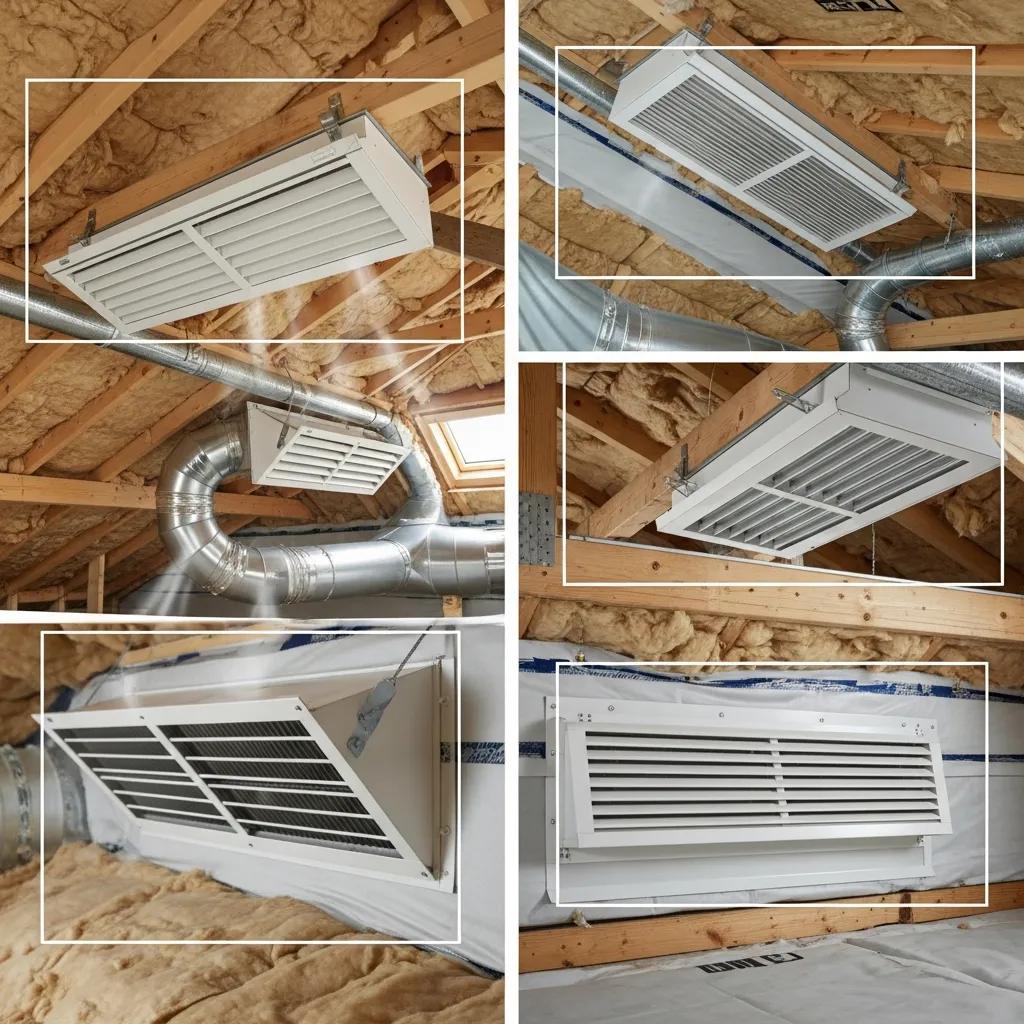
Comprehensive Guide to Attic Ventilation Systems and Roof Vent Installation for Optimal Attic Health
Attic ventilation is a crucial aspect of maintaining a healthy home environment, particularly in regions with varying climates. Proper ventilation helps regulate temperature and moisture levels in the attic, which can significantly impact the overall health of your roof and home. This guide will explore the importance of attic ventilation, the various types of ventilation systems available, and best practices for installation. Homeowners will learn how effective ventilation can enhance energy efficiency, prevent structural damage, and improve indoor air quality. Additionally, we will discuss how Proof Construction, a leading roofing and remodeling company in Tulsa, Oklahoma, specializes in attic health solutions.
Importance of Attic Ventilation for Optimal Attic Health
Attic ventilation plays a vital role in maintaining the health of your home by regulating temperature and moisture levels. Proper ventilation prevents heat buildup during the summer months, which can lead to roof damage and increased energy costs. Additionally, it helps to mitigate moisture accumulation, reducing the risk of mold and mildew growth. By ensuring adequate airflow, homeowners can extend the lifespan of their roofs and improve overall energy efficiency. Understanding the critical role of attic ventilation is essential for maintaining a safe and comfortable living environment.
Further research underscores the fundamental principles of attic ventilation in controlling both moisture and excessive heat, often referencing building code standards for optimal vent area.
Attic Ventilation: Controlling Moisture & Overheating in Residential Attics
Ventilation with outdoor air has been the accepted method for controlling moisture and overheating in residential attics. This is recognized in the Building Code which requires that the total vent area must be l/300th of the attic floor area. However, how much ventilation is provided and how this ventilation affects moisture accumulation in an attic are not well understood. The present study attempts to provide some answers to these questions. The study consists of two parts. First, detailed measurements were carried out in two separate attics located at a field test site. The full-sized attics were instrumented to measure ventilation rates, indoor-attic exchange rates, temperatures, and moisture contents with these measurements extending over a two year period.
Attic ventilation and moisture., IS Walker, 1993
Types of Attic Ventilation Systems
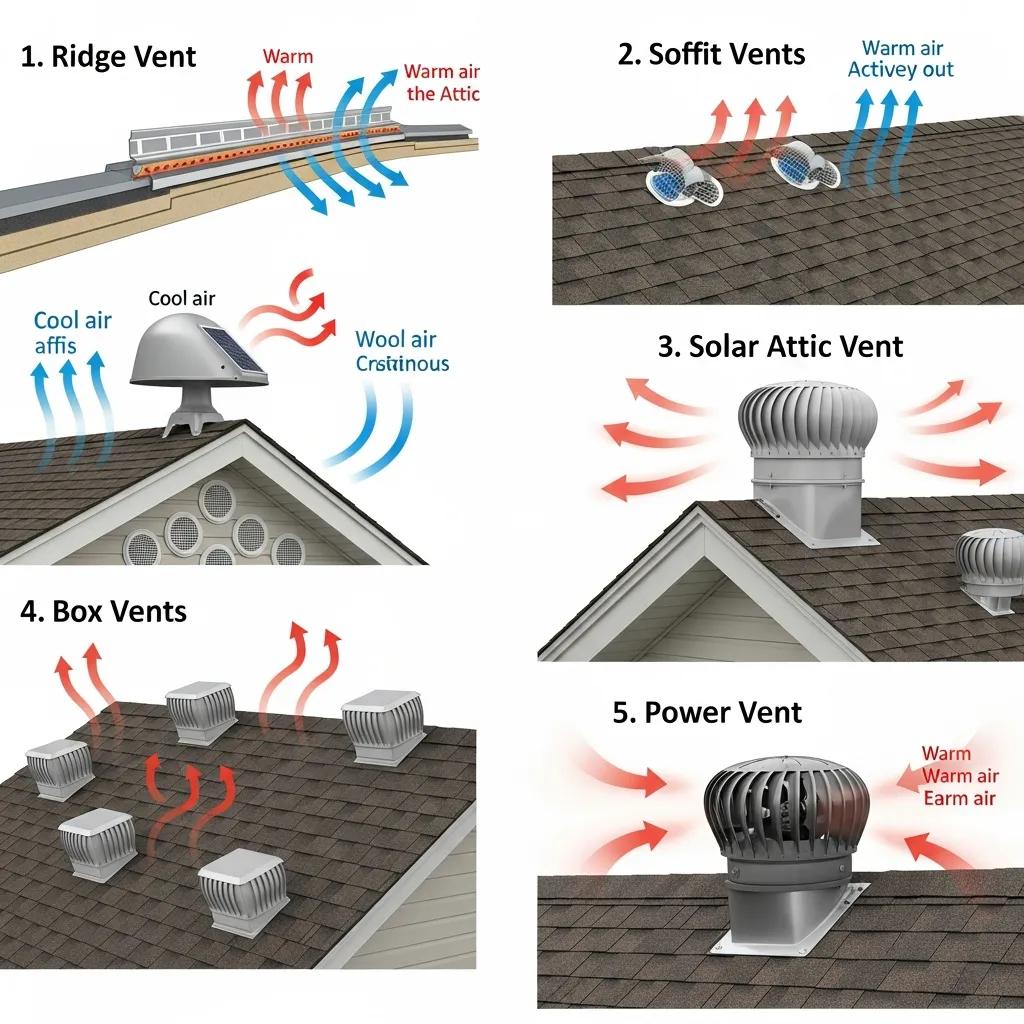
There are several types of attic ventilation systems available, each designed to address specific needs and conditions.
A comprehensive understanding of various residential ventilation technologies, including their installation and operating costs, is crucial for selecting the most effective whole-house strategy.
Residential Ventilation Technologies & Installation Costs
include operating costs, installation costs, ventilation rates, and analysis methods for natural and hybrid ventilation—A review of residential ventilation technologies for selecting whole-house ventilation strategies to meet proposed standards.
Review of residential ventilation technologies, M Russell, 2007
- Ridge Vents: Installed at the peak of the roof, ridge vents allow hot air to escape while drawing in cooler air from the soffit vents.
- Soffit Vents: Located under the eaves, soffit vents provide intake ventilation, allowing fresh air to enter the attic space.
- Solar Attic Vents: These energy-efficient vents use solar power to operate fans that help expel hot air from the attic.
- Box Vents: Simple and effective, box vents are installed on the roof and allow for passive ventilation.
- Power Vents: These electrically powered vents actively remove hot air from the attic, providing enhanced ventilation.
Each system has its benefits and can be selected based on the specific requirements of your home.
Best Practices for Installation
When installing attic ventilation systems, following best practices is essential to ensure optimal performance.
- Professional Assessment: Engaging a professional for an assessment can help determine the best ventilation strategy for your home.
- Balanced Airflow: Ensure that there is a proper balance between intake and exhaust vents to facilitate effective airflow.
- Regular Inspections: Conduct regular inspections to ensure that vents are clear of debris and functioning correctly.
By adhering to these best practices, homeowners can maximize the effectiveness of their attic ventilation systems.
How Does Proper Attic Ventilation Improve Home Energy Efficiency and Attic Health?
Proper attic ventilation significantly enhances home energy efficiency by regulating temperature and reducing the workload on heating and cooling systems. When hot air is allowed to escape, it prevents the attic from becoming excessively warm, which can lead to higher energy bills. Additionally, effective ventilation helps control moisture levels, reducing the risk of mold growth and structural damage. Homeowners can enjoy a more comfortable living environment while also extending the lifespan of their roofing materials.
Research consistently highlights the importance of proper attic ventilation for managing moisture and heat, often referencing building code standards for optimal vent area.
Attic Ventilation for Moisture & Overheating Control
Ventilation with outdoor air has been the accepted method for controlling moisture and overheating in residential attics. This is recognized in the Building Code which requires that the total vent area must be l/300th of the attic floor area. However, how much ventilation is provided and how this ventilation affects moisture accumulation in an attic are not well understood.
Attic ventilation and moisture., IS Walker, 1993
What Are the Key Benefits of Attic Heat Reduction Methods?
Reducing attic heat through effective ventilation methods offers several key benefits:
- Extended Roof Lifespan: By preventing excessive heat buildup, ventilation helps prolong the life of roofing materials.
- Mold and Mildew Prevention: Proper airflow reduces moisture accumulation, minimizing the risk of mold and mildew growth.
- Improved Energy Efficiency: Effective ventilation lowers energy costs by reducing the need for air conditioning during hot months.
These benefits highlight the importance of investing in proper attic ventilation solutions.
How Does Attic Air Flow Prevent Moisture Buildup and Structural Damage?
Attic airflow is essential for preventing moisture buildup, which can lead to significant structural damage over time. When warm, moist air is trapped in the attic, it can condense on cooler surfaces, leading to water damage and mold growth. Proper ventilation allows this moist air to escape, maintaining a balanced environment that protects the integrity of the roof and the overall structure of the home. This proactive approach to moisture control is vital for long-term attic health.
Which Types of Roof Vents Are Best Suited for Tulsa's Climate?
In Tulsa’s climate, specific types of roof vents are particularly effective:
- Ridge Vents: Ideal for allowing hot air to escape, ridge vents work well in the hot summers.
- Soffit Vents: These provide necessary intake ventilation, complementing ridge vents effectively.
- Solar Attic Vents: Given the sunny climate, solar vents can be an energy-efficient option for active ventilation.
Selecting the right combination of vents can optimize attic performance and enhance home comfort.
What Are the Features and Functions of Ridge Vents and Soffit Vents?
- Ridge Vents: Positioned at the highest point of the roof, they allow hot air to escape while preventing water and debris from entering.
Detailed studies have also explored the performance differences between various ridge vent designs, highlighting how specific features impact airflow and overall effectiveness.
Baffled vs. Rolled Ridge Vents: Airflow & Effectiveness
The data demonstrated that the baffled ridge vent provided a minimum of twice the ridge airspeed of the rolled vents, when all wind conditions were considered. On the day selected to study the direction of the airflows at the ridge, the baffled vent had airflow speeds at the ridge similar to the rolled vent without fabric backing. The baffled vent allowed air to come out of the attic through both sides of the ridge (negative differential pressures on both sides), while the rolled vent without fabric backing caused air to enter through the south side of the ridge and exit through the north side (positive differential pressure on the south side and negative differential pressure on the north), in effect short-circuiting the vent. The fabric backed rolled vent allowed attic air to come out of the attic through both sides of the ridge, as did the baffled vent, but the airspeed was slower. The baffled vent was the one with the highest airspeed at the ridge and also had both sides of the vent under negative differential pressure, providing the most effective ventilation.
Instrumentation and measurement of airflow and temperature in attics fitted with ridge and soffit vents., 1998
- Soffit Vents: Located under the eaves, they provide a continuous flow of fresh air into the attic, ensuring that the air remains cool and dry.
This combination is essential for maintaining optimal attic health and preventing moisture-related issues.
How Do Attic Fans Complement Passive Ventilation Systems?
Attic fans serve as a complementary solution to passive ventilation systems by actively removing hot air from the attic. These fans can significantly enhance airflow, especially during peak summer months when temperatures soar. By reducing the overall temperature in the attic, these fans help to alleviate the strain on air conditioning systems, leading to improved energy efficiency. Homeowners can benefit from a more comfortable living space while also protecting their roofing materials from heat damage.
Further studies explore advanced ventilation techniques, such as hybrid systems, for their potential to enhance thermal comfort and achieve significant energy savings.
Hybrid Attic Ventilation for Energy Savings & Comfort
attic is integral to the building, and inadequate ventilation can elevate the overall thermal load. This study investigates the impact of a hybrid attic ventilation technique as a sustainable strategy for thermal comfort improvement and energy saving in tropical residential buildings.
The hybrid attic ventilation technique as a sustainable strategy for thermal comfort improvement and energy saving in tropical residential buildings, M Moharrami, 2025
The effectiveness of specific technologies, such as solar-powered attic fans, in reducing attic temperatures and energy consumption has been a subject of dedicated study.
Solar-Powered Attic Fans: Reducing Attic Temperatures & Energy Use
The market for solar-powered attic ventilation fans (SPAVFs) is rapidly expanding. Many homeowners are increasingly turning to alternative technologies to reduce energy use and increase comfort in their homes. However, there is very little research data available on SPAVFs, and a significant observation of this research is that no industry standards currently exist that attempt to identify how the performance of the technology can be measured and verified to perform as advertised. The main purpose of this study is to measure the effects of a SPAVF on reducing high attic temperatures. To verify the effectiveness of a SPAVF, a case study is presented using data collected from Boone, NC, USA. In addition, this paper introduces a new prototype SPAVF hood design and describes the results of the airflow analysis of the prototype, which indicated that the prototype has the potential to offer increased attic ventilation at a time when it is needed most.
A case study for the effectiveness of solar-powered attic ventilation fans, OY Yu, 2015
What Are the Professional Roof Vent Installation Processes and Maintenance Practices?
Professional roof vent installation involves several key steps to ensure quality and compliance:
- Site Assessment: A thorough evaluation of the attic space and existing ventilation systems.
- Vent Selection: Choosing the appropriate type and number of vents based on the assessment.
- Installation: Properly installing vents to ensure they function effectively and comply with local building codes.
- Maintenance Practices: Regular inspections and cleaning to ensure vents remain unobstructed and operational.
These processes are crucial for ensuring that the ventilation system performs optimally over time.
How Does Proof Construction Ensure Quality and Compliance in Vent Installation?
Proof Construction is committed to providing high-quality roof vent installations that comply with local building codes. Their team of experienced professionals conducts thorough assessments to determine the best ventilation solutions for each home. By adhering to strict quality assurance processes, Proof Construction ensures that every installation meets the highest standards of safety and performance. Homeowners can trust that their attic ventilation systems will be installed correctly and efficiently.
What Are the Recommended Maintenance and Troubleshooting Techniques for Attic Ventilation?
To maintain effective attic ventilation, homeowners should follow these recommended techniques:
- Regular Inspections: Check vents for blockages or damage at least twice a year.
- Cleaning: Remove debris from vents to ensure unobstructed airflow.
- Troubleshooting: If ventilation issues arise, consult a professional to assess and resolve problems promptly.
These practices help ensure that the ventilation system continues to function effectively, protecting the home from moisture and heat-related issues.
How Can Homeowners Assess and Improve Their Attic Ventilation Systems?
Homeowners can assess their attic ventilation systems by checking for signs of poor airflow, such as excessive heat or moisture buildup. Improvements can be made by adding additional vents or upgrading to more efficient systems. Consulting with professionals can provide valuable insights into the best solutions for enhancing attic ventilation.
What Signs Indicate Poor Attic Ventilation and Heat Buildup?
Signs of poor attic ventilation include:
- High Energy Bills: Increased cooling costs can indicate excessive heat in the attic.
- Hot Attic: An attic that feels excessively warm may lack adequate ventilation.
- Mold Presence: The appearance of mold or mildew is a clear sign of moisture issues.
Recognizing these signs early can help homeowners take action to improve their attic ventilation.
How to Schedule a Free Consultation for Attic Ventilation Solutions in Tulsa?
To schedule a free consultation for attic ventilation solutions, homeowners can contact Proof Construction directly. They offer expert assessments and tailored solutions to meet individual needs. Interested individuals can reach out via phone at (918) 734-4444 or email at [email protected]. This consultation provides an opportunity to discuss specific ventilation needs and explore the best options for improving attic health.