Complete Residential Roofing Guide
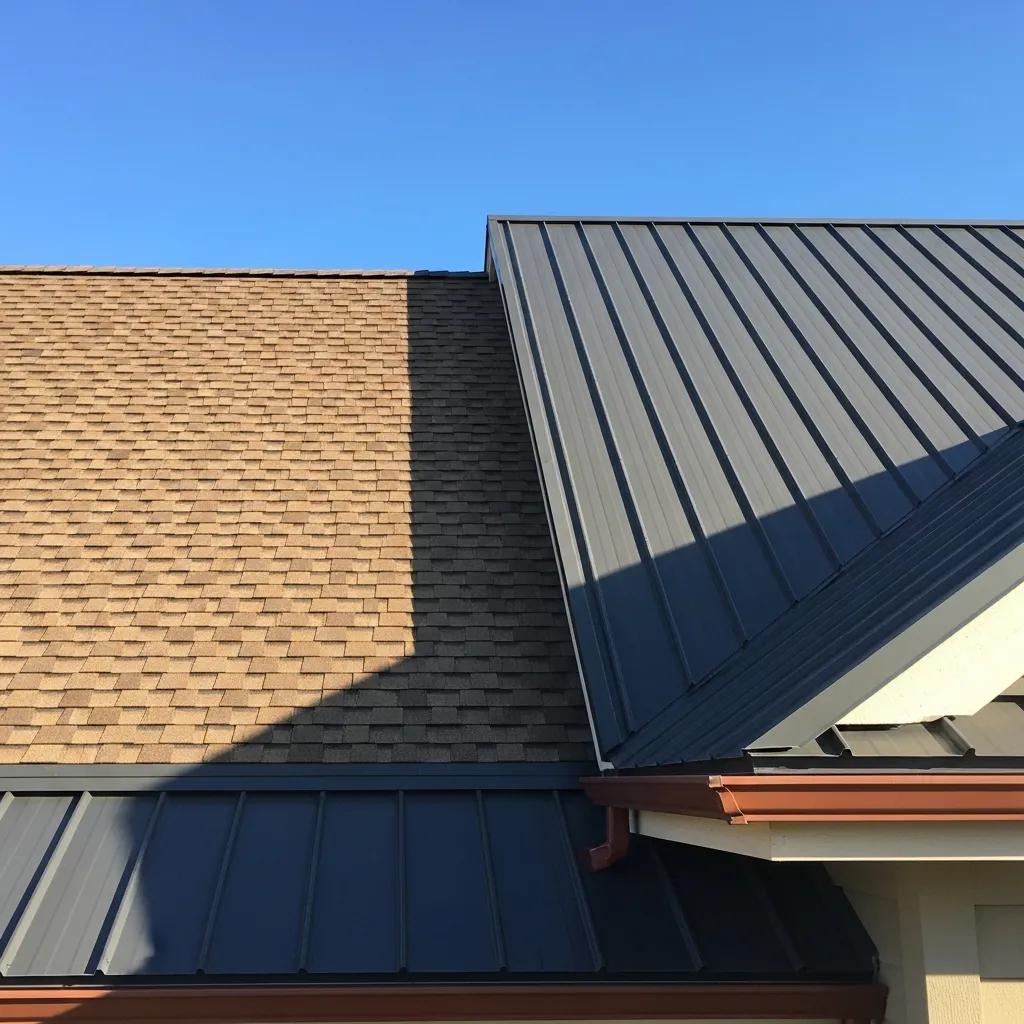
Complete Residential Roofing Guide
When it comes to maintaining a home, the roof is one of the most critical components that often gets overlooked. A well-maintained roof not only protects the home from the elements but also enhances its overall value. This comprehensive guide will delve into the essential aspects of residential roofing, including the costs associated with roof replacement, the best materials available, and how to choose the right contractor for your needs. Homeowners often face challenges in understanding the complexities of roofing, from material selection to the intricacies of installation. By the end of this article, you will have a clearer understanding of what to consider when replacing or repairing your roof, as well as insights into sustainable options and the importance of regular inspections.
Understanding Roof Replacement Costs and Best Materials for Homeowners
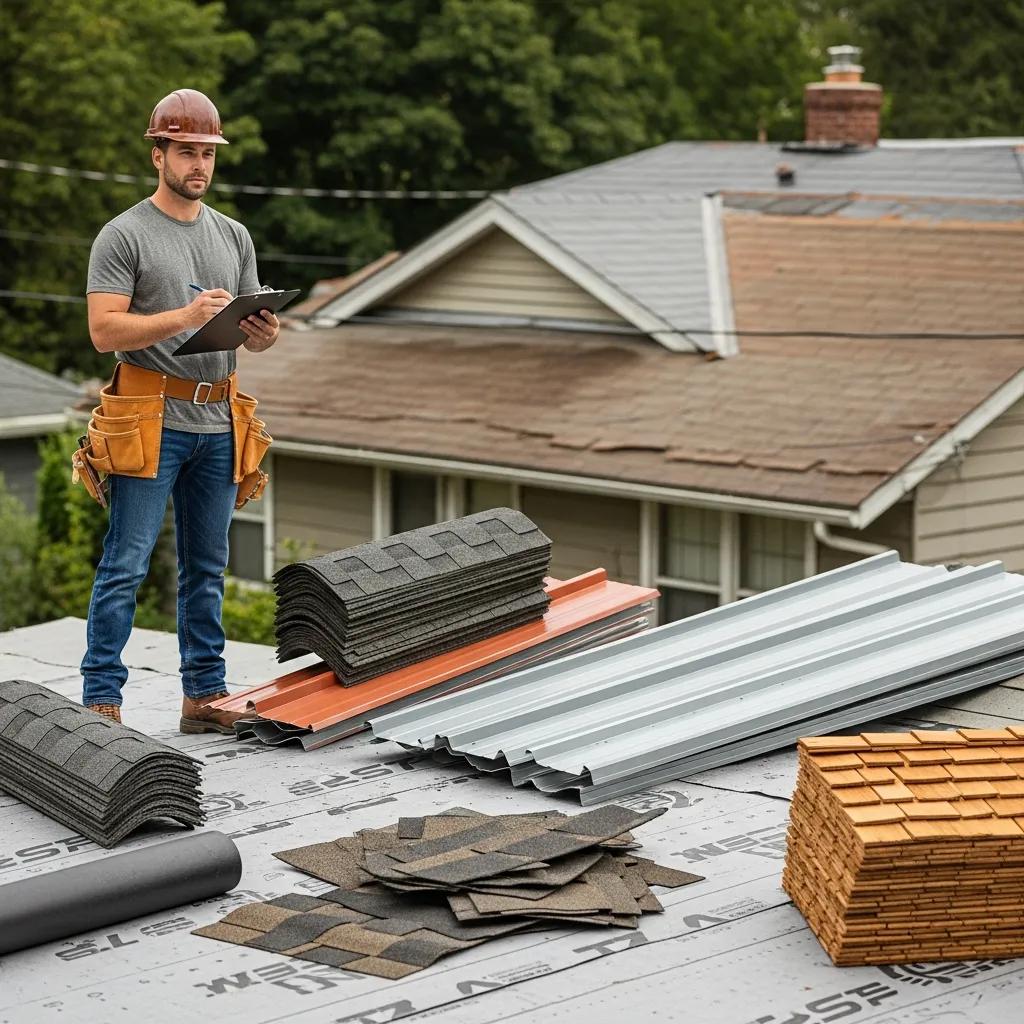
Roof replacement can be a significant investment for homeowners, and understanding the associated costs is crucial. Various factors influence these costs, including the size of the roof, the materials chosen, and the complexity of the installation. Additionally, local labor rates and the specific requirements of your home can also impact the final price. This section will explore these factors in detail, helping homeowners make informed decisions.
Key Factors Influencing Costs
Several key factors influence the overall cost of roof replacement. First, the size and pitch of the roof play a significant role; larger roofs require more materials and labor, which can increase costs. Second, the choice of roofing material is critical, as different materials come with varying price points and lifespans. Lastly, labor costs can fluctuate based on local market conditions and the complexity of the installation. Understanding these factors can help homeowners budget effectively for their roofing projects.
Impact of Roof Size and Complexity
The size and complexity of a roof significantly affect its replacement cost. Larger roofs necessitate more materials, which directly increases expenses. Additionally, roofs with complex designs, such as multiple slopes or unique architectural features, require more labor and expertise to install. For instance, a simple gable roof will generally cost less to replace than a multi-faceted roof with dormers and valleys. Homeowners should consider these aspects when planning their roofing projects to avoid unexpected costs.
Comparison of Best Materials for Residential Roof Installation
Choosing the right roofing material is essential for durability and cost-effectiveness. Below is a comparison of some of the most popular roofing materials:
| Material | Lifespan | Cost | Durability | Energy Efficiency |
|---|---|---|---|---|
| Asphalt Shingles | 15-30 years | $90-$100 per square | Moderate | Moderate |
| Metal Roofing | 40-70 years | $300-$700 per square | High | High |
| Slate | 75-200 years | $600-$1,500 per square | Very High | Low |
| Tile | 50-100 years | $300-$800 per square | High | Moderate |
This table illustrates the lifespan, cost, durability, and energy efficiency of various roofing materials, helping homeowners make informed choices based on their specific needs and budget.
Sustainable Roofing Options
Sustainable roofing options are becoming increasingly popular among homeowners looking to reduce their environmental impact. Materials such as metal, slate, and certain types of asphalt shingles can be recycled at the end of their lifespan, making them eco-friendly choices. Additionally, green roofs, which incorporate vegetation, provide insulation and reduce stormwater runoff. While the initial costs of sustainable materials may be higher, their long-term benefits, including energy savings and durability, can make them a worthwhile investment.
What Are the Key Factors Influencing Roof Replacement Cost?
Understanding the key factors that influence roof replacement costs is essential for homeowners. The primary considerations include the size of the roof, the materials selected, and the complexity of the installation. Each of these elements can significantly impact the overall price, making it crucial to evaluate them carefully before proceeding with a roofing project.
How Do Roofing Materials Affect Overall Replacement Expenses?
The choice of roofing materials directly affects replacement expenses. Different materials come with varying costs, lifespans, and maintenance requirements. For example, while asphalt shingles are generally more affordable upfront, they may require more frequent replacements compared to metal roofing, which, although more expensive initially, offers greater longevity and lower maintenance costs. Homeowners should weigh these factors when selecting materials to ensure they make a financially sound decision.
What Role Does Roof Size and Complexity Play in Pricing?
Roof size and complexity are significant determinants of pricing in roof replacement projects. Larger roofs require more materials and labor, which can drive up costs. Additionally, roofs with intricate designs or multiple levels may necessitate specialized labor, further increasing expenses. Homeowners should consider these factors when planning their roofing projects to avoid unexpected financial burdens.
Which Roofing Materials Are Best Suited for Residential Roof Installation?
Selecting the best roofing materials for residential installation involves considering durability, cost-effectiveness, and energy efficiency. Asphalt shingles are a popular choice due to their affordability and ease of installation. Metal roofing, while more expensive, offers superior durability and energy efficiency. Homeowners should assess their specific needs and budget to determine the most suitable material for their roofing project.
What Are the Benefits and Drawbacks of Asphalt Shingles and Metal Roofing?
Asphalt shingles and metal roofing are two of the most common roofing materials, each with its own set of benefits and drawbacks.
- Asphalt Shingles: Benefits: Cost-effective, easy to install, and available in various styles.Drawbacks: Shorter lifespan compared to metal, susceptible to wind damage.
- Metal Roofing: Benefits: Long-lasting, energy-efficient, and resistant to extreme weather.Drawbacks: Higher initial cost and potential for noise during rain.
Understanding these differences can help homeowners make informed decisions based on their priorities and budget.
How Do Sustainable Roofing Options Compare in Durability and Cost?
Sustainable roofing options, such as metal and slate, offer excellent durability and can be cost-effective in the long run. While the initial investment may be higher, these materials often require less maintenance and have longer lifespans compared to traditional options. Additionally, many sustainable materials are recyclable, contributing to environmental conservation. Homeowners should consider both the upfront costs and long-term benefits when evaluating sustainable roofing options.
How to Conduct a Thorough Roof Inspection: Essential Checklist for Homeowners
Regular roof inspections are vital for maintaining the integrity of a home. Homeowners should conduct thorough inspections at least twice a year and after severe weather events. Here’s a checklist to guide the inspection process:
- Visual Inspection: Look for missing or damaged shingles, rust on metal roofs, and signs of wear.
- Check for Leaks: Inspect the attic for water stains or mold, which may indicate leaks.
- Gutter Maintenance: Ensure gutters are clear of debris to prevent water damage.
By following this checklist, homeowners can identify potential issues early and address them before they escalate into costly repairs.
What Signs Indicate the Need for Roof Repair or Replacement?
Several signs can indicate the need for roof repair or replacement. Homeowners should be vigilant for the following:
- Missing or Damaged Shingles: This can expose the underlying structure to water damage.
- Water Stains or Leaks: These are clear indicators of potential roof failure.
- Age of the Roof: If the roof is nearing the end of its expected lifespan, it may be time for a replacement.
Recognizing these signs early can help homeowners take proactive measures to protect their homes.
How Can Regular Inspections Prevent Emergency Roofing Situations?
Regular roof inspections can significantly reduce the likelihood of emergency roofing situations. By identifying minor issues before they escalate, homeowners can save on costly repairs and extend the lifespan of their roofs. Proactive maintenance, such as clearing debris and addressing small leaks, can prevent more severe problems from developing. This approach not only protects the home but also provides peace of mind for homeowners.
How to Choose Reliable Roof Repair Contractors for Residential Projects
Selecting a reliable roof repair contractor is crucial for ensuring quality work. Homeowners should consider the following guidelines:
- Verify Licensing and Insurance: Ensure the contractor is licensed and carries liability insurance to protect against accidents.
- Check References and Reviews: Look for testimonials from previous clients to gauge the contractor’s reputation.
- Obtain Multiple Quotes: Comparing quotes from different contractors can help homeowners find the best value for their project.
By following these steps, homeowners can make informed decisions when selecting a roofing contractor.
What Credentials and Insurance Should Homeowners Verify?
When hiring a roofing contractor, homeowners should verify several key credentials and insurance policies:
- Licensing: Ensure the contractor is licensed to operate in your state.
- Insurance: Confirm that the contractor has liability insurance and workers’ compensation coverage.
- Manufacturer Certifications: Check if the contractor is certified by roofing material manufacturers, which can indicate a higher level of expertise.
Verifying these credentials can help homeowners avoid potential issues and ensure quality workmanship.
How Do Customer Testimonials and Local Expertise Influence Contractor Selection?
Customer testimonials and local expertise play a significant role in contractor selection. Positive feedback from previous clients can provide insight into a contractor’s reliability and quality of work. Additionally, contractors with local expertise are often more familiar with regional building codes and weather conditions, which can impact roofing projects. Homeowners should prioritize contractors with strong local reputations and positive customer reviews to ensure a successful roofing experience.